
Redistricting in Tennessee: What You Need to Know
Introduction
Redistricting is not just about lines on a map it shapes people’s everyday lives. When communities lose the power to choose representatives who understand their needs, it becomes harder to secure good neighborhood schools, safe and affordable housing, living‑wage jobs, accessible health care, and fair treatment in the criminal legal system. In a typical redistricting cycle, states redraw districts after the census to reflect population changes. What happened in Tennessee in May 2026 is different: lawmakers used mid‑decade redistricting as an example of partisan gerrymandering, redrawing the map in ways that protect their own power rather than fairly representing communities. Tennessee is one of several states in the South changing its congressional maps in the middle of the decade, following a recent U.S. Supreme Court decision on redistricting and the Voting Rights Act, which has opened the door to similar efforts across the region.
In places like Shelby County, the new map splits Memphis into multiple districts, reshapes its longtime majority‑Black, working‑class base in District 9, and ties rural and working‑class communities to more affluent areas like Williamson County in ways that dilute their voting power. Even if you do not live in Shelby County, these decisions shape who speaks for Tennessee in Congress and what issues our representatives prioritize. This explainer walks through what Tennessee’s new map does, who is most affected, and how communities are responding, so you can better understand what is at stake and what you can do next.
What do “redistricting” & “Gerrymandering” Mean?
“Redistricting is the process of redrawing the lines that decide which voters are grouped together in a district and which elected officials will represent them. States are supposed to do this regularly so that districts reflect changes in population and everyone has roughly equal representation.
Gerrymandering happens when those lines are drawn in a way that gives an unfair advantage to certain politicians or parties, or that weakens the voting power of particular communities, such as Black voters, working‑class voters, or rural voters. Instead of voters choosing their representatives, gerrymandering helps representatives choose their voters, which can make elections less competitive and some voices harder to hear. ”
What happened?
In May 2026, Tennessee’s legislature met in a special session and passed a new mid‑decade congressional map at the request of Governor Bill Lee, following the U.S. Supreme Court’s decision in Louisiana v. Callais. To make this possible, lawmakers first repealed a 1972 state law that had banned mid‑decade congressional redistricting, and then quickly approved a new map on the same day. The new map splits Memphis—including its long‑time, predominantly working‑class Black District 9—into three districts and further fractures the Nashville area into multiple districts, including North Nashville, a historically Black neighborhood with deep civil‑rights roots, replacing the maps that had been in place since 2022. These new districts will be used for the August 6, 2026 primary and the November general election.
According to the State Court Report, In Tennessee, a three‑judge panel likewise dismissed a state court challenge to the new map, finding that the legislature had the authority to engage in mid‑decade redistricting. Taken together, these rulings mean Tennessee’s new map—and similar maps in other states—will likely shape upcoming elections while broader debates about voting rights and redistricting continue.
Courts in other states have recently weighed in on similar mid‑decade redistricting fights. In late May, judges in Florida and Missouri declined to block those states’ new congressional maps, with one court allowing Florida’s map to remain in place during the litigation and the Missouri Supreme Court upholding the governor’s power to call a special redistricting session.
Where the Court Cases Stand in Tennessee
The state court case brought by the NAACP and individual Tennessee voters challenging Tennessee’s new congressional map was dismissed on May 26, and all requests for temporary restraining orders have been denied. Three federal cases filed by the NAACP Tennessee State Conference, the League of Women Voters of Tennessee, and additional Tennessee voters and candidates are still active and moving toward a preliminary injunction hearing before a federal three‑judge panel—the last realistic chance to block the map before the August 6 primary. As of now, no injunction has been granted, so the August 2026 primary will go forward under the new map unless the three‑judge panel grants relief. The NAACP is also appealing the state court dismissal, but that appeal is unlikely to be resolved before August.
For the latest status on these cases, the full list of plaintiffs, and easy tools to see how the new map affects your community, visit Defend TN at https://defendtn.bluffcitytech.com/.
Who is impacted? Everyone!
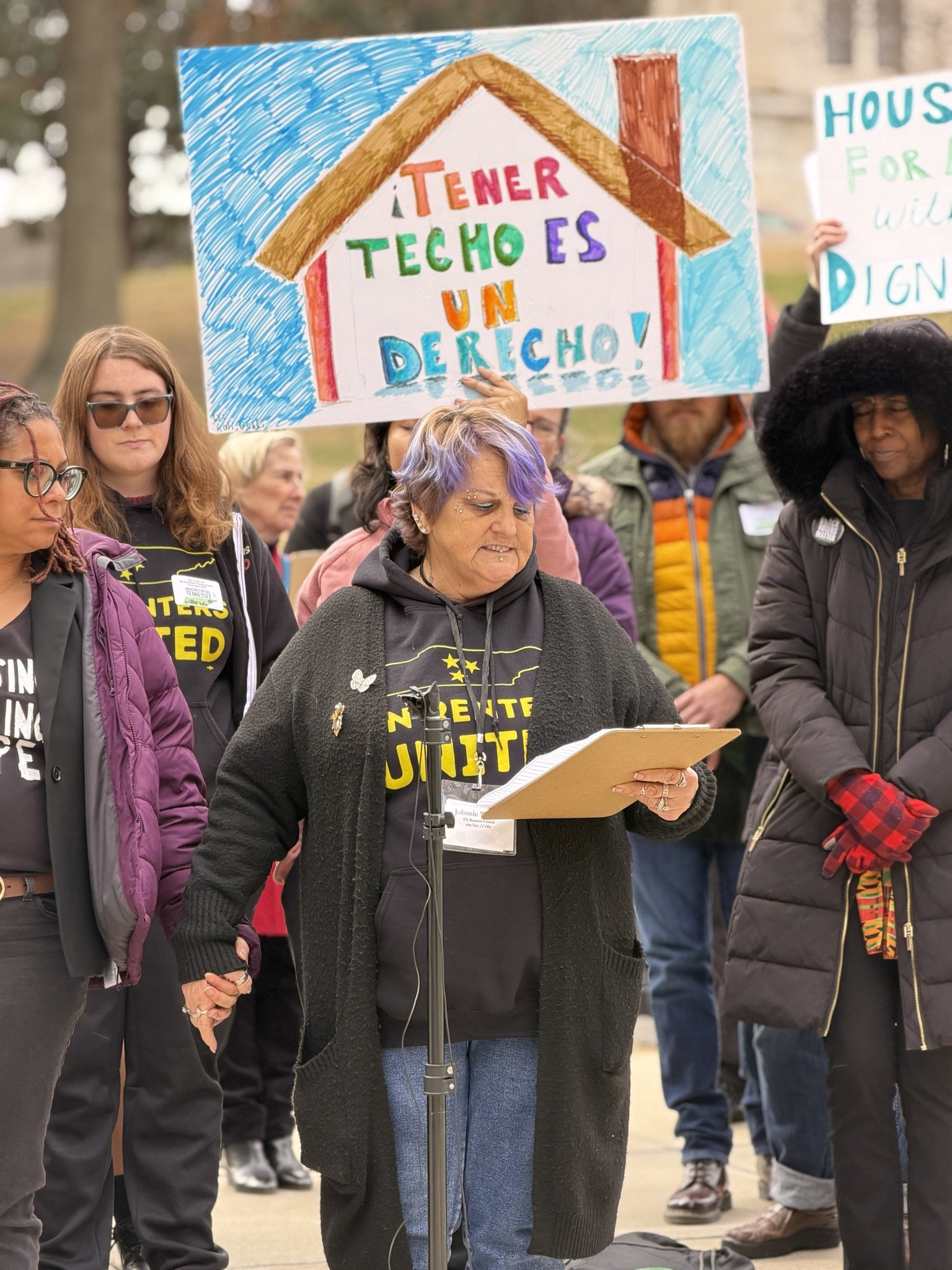
Millions of Tennesseans are now in newly drawn districts, including many voters in Memphis, Nashville, and surrounding counties. In Nashville, the changes directly affect North Nashville—a predominantly Black neighborhood with deep roots in the civil rights movement—by further splitting the community and tying different blocks to different congressional districts. In Memphis, the new map reshapes Congressional District 9, a predominantly working‑class Black district that has long been a base for Black political leadership, civil rights work, and advocacy on issues like housing, wages, and public safety. The map also combines several rural and working‑class counties with Williamson County—Tennessee’s most affluent county—into a single congressional district, tying working‑class and rural communities to an area with very different resources and priorities. Black voters, working‑class voters, rural voters, and other voters of color are especially affected, as these changes break up concentrated Black, working‑class, and rural voting power and spread those voters into majority‑white, often more affluent, and heavily Republican districts, which further dilutes their political voice.
Why is this important?
As organizations like the Brennan Center for Justice explain, this kind of map is an example of partisan and racial gerrymandering, where redistricting is used to give an unfair advantage to certain politicians or parties instead of fairly reflecting communities. These changes are a form of partisan and racial gerrymandering, where those in power redraw district lines to protect themselves and weaken the political voice of certain communities.
When maps are drawn this way, election outcomes can be decided long before voters ever cast a ballot, making it much harder to hold elected officials accountable or vote them out when they fail their constituents. In Tennessee, this map especially harms Black voters, working‑class voters, rural voters, and other voters of color by breaking up their communities and scattering them into multiple districts. By splitting places like North Nashville and Memphis’s District 9, and by tying rural and working‑class counties to majority‑white, more affluent, and heavily Republican districts, the new map dilutes the combined voting power of these communities and makes it harder for them to elect leaders who share their priorities.
This matters in people’s everyday lives.
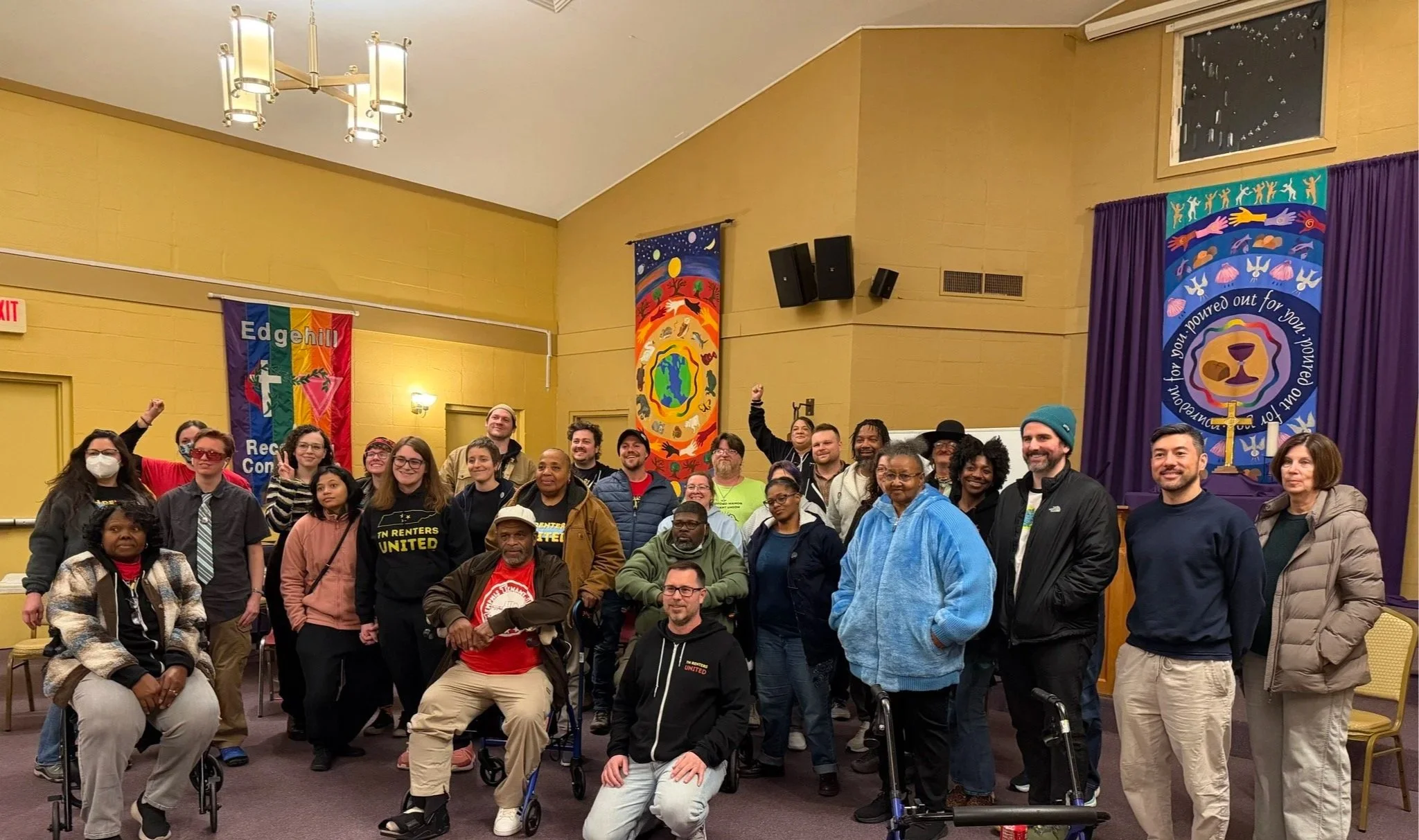
When communities lose the ability to choose representatives who truly understand their needs, it becomes harder to win and protect resources for neighborhood schools, safe and affordable housing, living‑wage jobs, accessible health care, and fair treatment in the criminal legal system. Over time, gerrymandering can lock in policies that deepen inequality, even when a majority of voters would choose a different path if their votes carried equal weight.
What can you do?
Even when districts are gerrymandered, communities still have tools to respond. Learning how the new lines affect your neighborhood is an important first step, because it helps you understand which elected officials now represent you and where your vote will count. You can look up your new district, find your representatives at every level, and contact them about how these changes affect Black voters, working‑class and rural communities, and other voters of color.
Community groups and advocacy organizations also play a key role in responding to unfair maps. You can attend public meetings or town halls, join local civic or voting‑rights groups, and support efforts to monitor how the new districts impact access to the ballot and representation over time. In some cases, lawyers and organizers may challenge maps in court, and public input and documentation from affected residents can inform those challenges.
Take action: Stay Informed and Involved
Share these tools with family, friends, and neighbors so they don’t show up at the wrong place or sit out an election by mistake.
Check your voter registration and district using the state’s official voter lookup and/or a nonpartisan tool like VOTE411.
Confirm your polling place and key dates so you know where and when to vote in the August 6 primary and November general election.
Visit Defend TN to see how the new maps affect your community and find resources and tools.
