
Redistricting in Tennessee: What You Need to Know
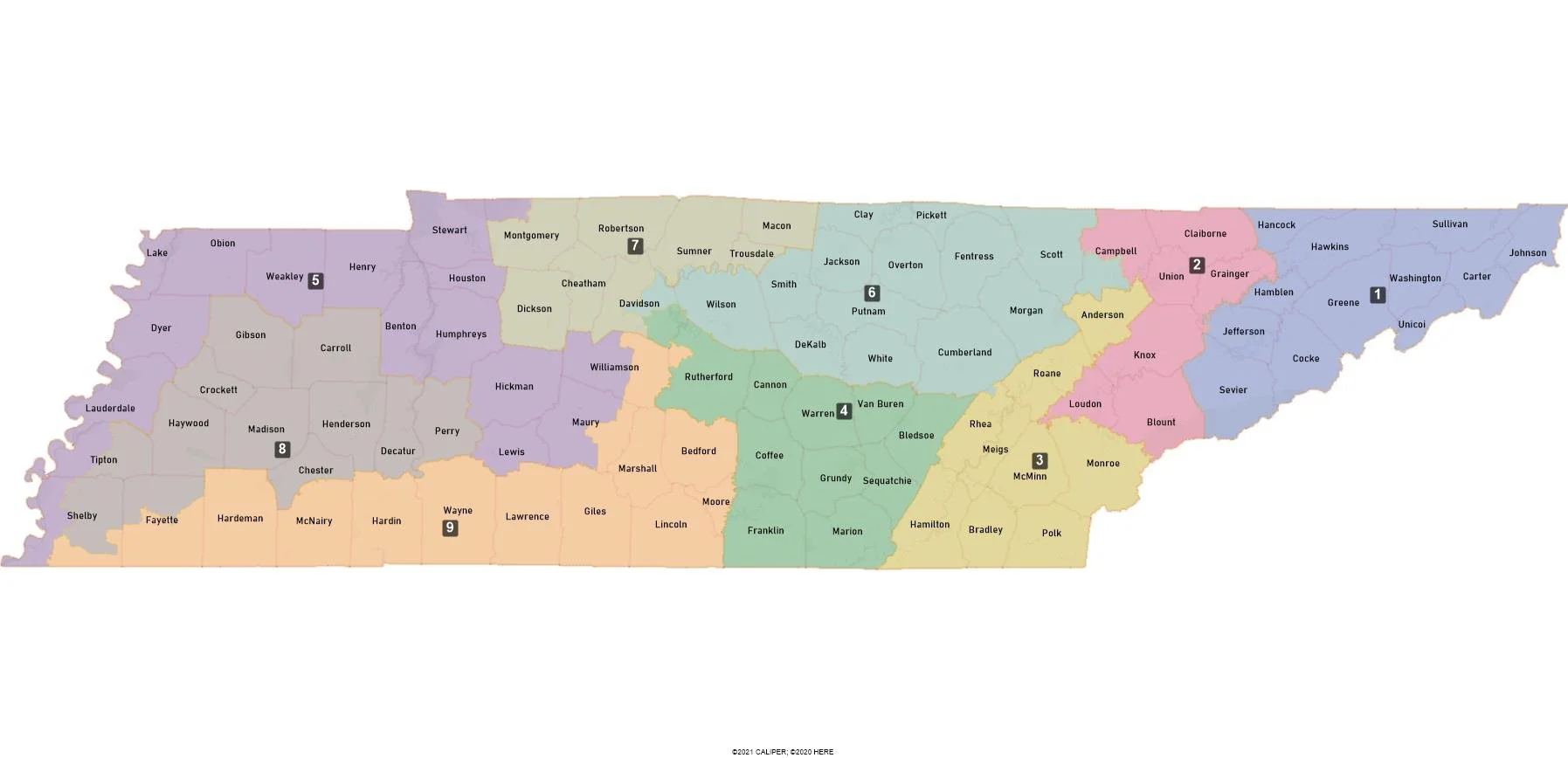
Redistricting is not just about lines on a map—it shapes people’s everyday lives. When communities lose the power to choose representatives who understand their needs, it becomes harder to secure good neighborhood schools, safe and affordable housing, living‑wage jobs, accessible health care, and fair treatment in the criminal legal system. In a typical redistricting cycle, states redraw districts after the census to reflect population changes. What happened in Tennessee in May 2026 is different: lawmakers used mid‑decade redistricting as an example of partisan gerrymandering, redrawing the map in ways that protect their own power rather than fairly representing communities.
In places like Shelby County, the new map splits Memphis into multiple districts, reshapes its longtime majority‑Black, working‑class base in District 9, and ties rural and working‑class communities to more affluent areas like Williamson County in ways that dilute their voting power. Even if you do not live in Shelby County, these decisions shape who speaks for Tennessee in Congress and what issues our representatives prioritize.